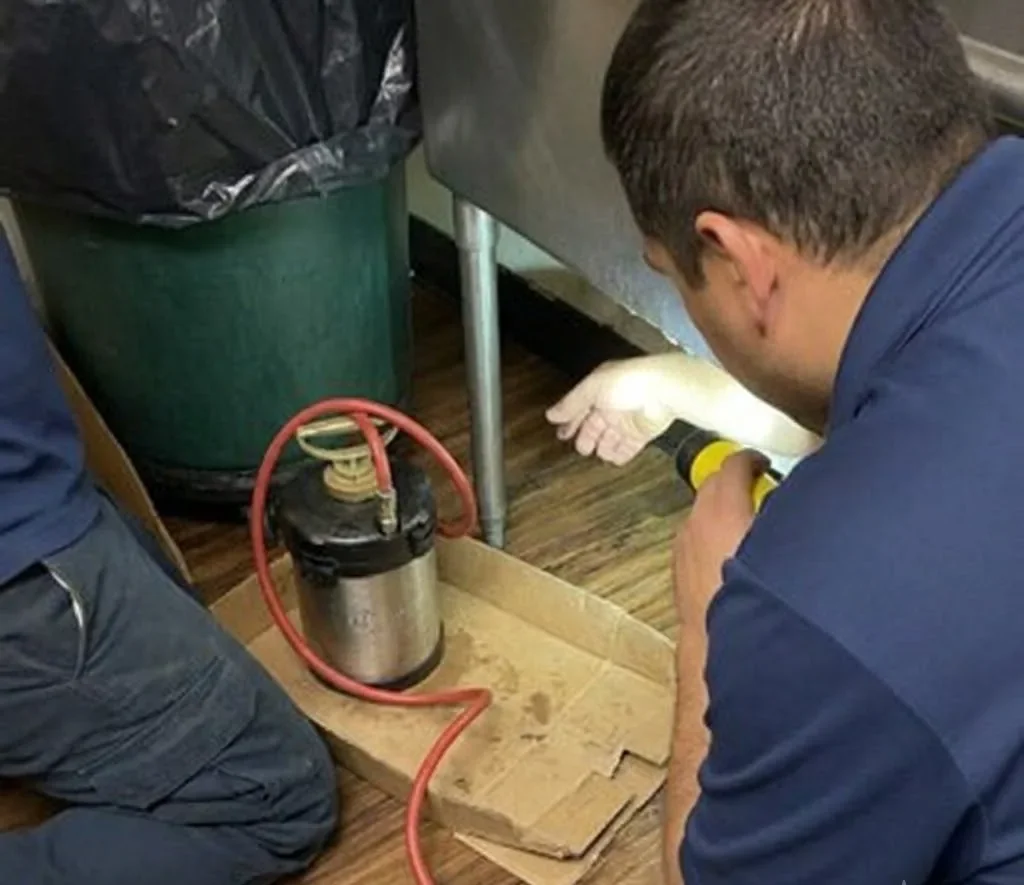
Rodent Control
Why One Rodent in a Mount Pleasant Home Is Never One
One rat or mouse sighting is not a one-rat or one-mouse problem. Here is why a single observation in a coastal SC home almost always means an established population.
Read article
Practical guides for keeping a Mount Pleasant home protected, from seasonal timing to telling one pest from another.
Pest problems in the Lowcountry run on a calendar, but not the one most advice online assumes. Eastern subterranean termites swarm on warm days after rain from March; Formosans follow at dusk in May and June. Mosquitoes and lone star ticks start in March and run to November. Fire ants peak twice, spring and early autumn. Roof rats move indoors as nights cool in September. And German cockroaches, fleas and subterranean termites carry on straight through winter, because there is no hard freeze here to stop them. Most of the guides below are arranged around that.
The rest cover identification, the questions homeowners ask most, and where do-it-yourself work genuinely helps against where it tends to make the job harder. If something is active right now, the services pages explain how each treatment works and the pricing guide covers what it costs.
One rat or mouse sighting is not a one-rat or one-mouse problem. Here is why a single observation in a coastal SC home almost always means an established population.
Read article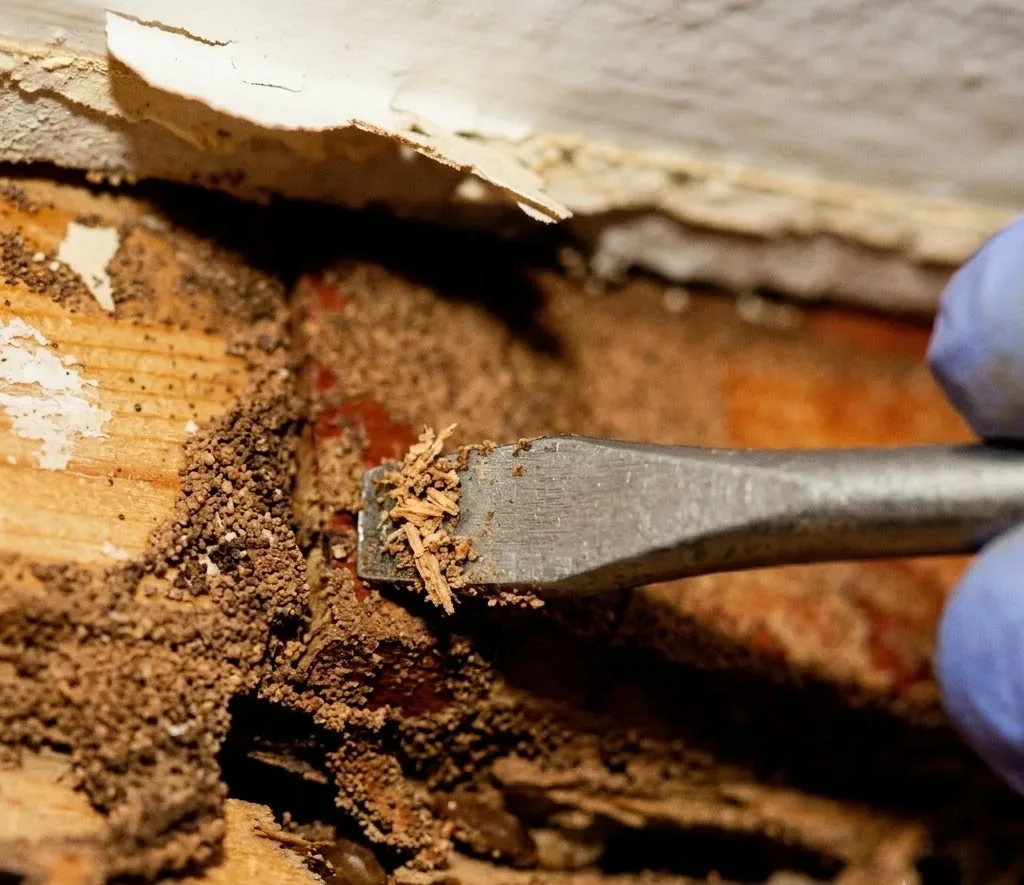
After a tropical system, after a drought, after the first cold snap: how each weather event moves pests in the Lowcountry and what it means for your home.
Read article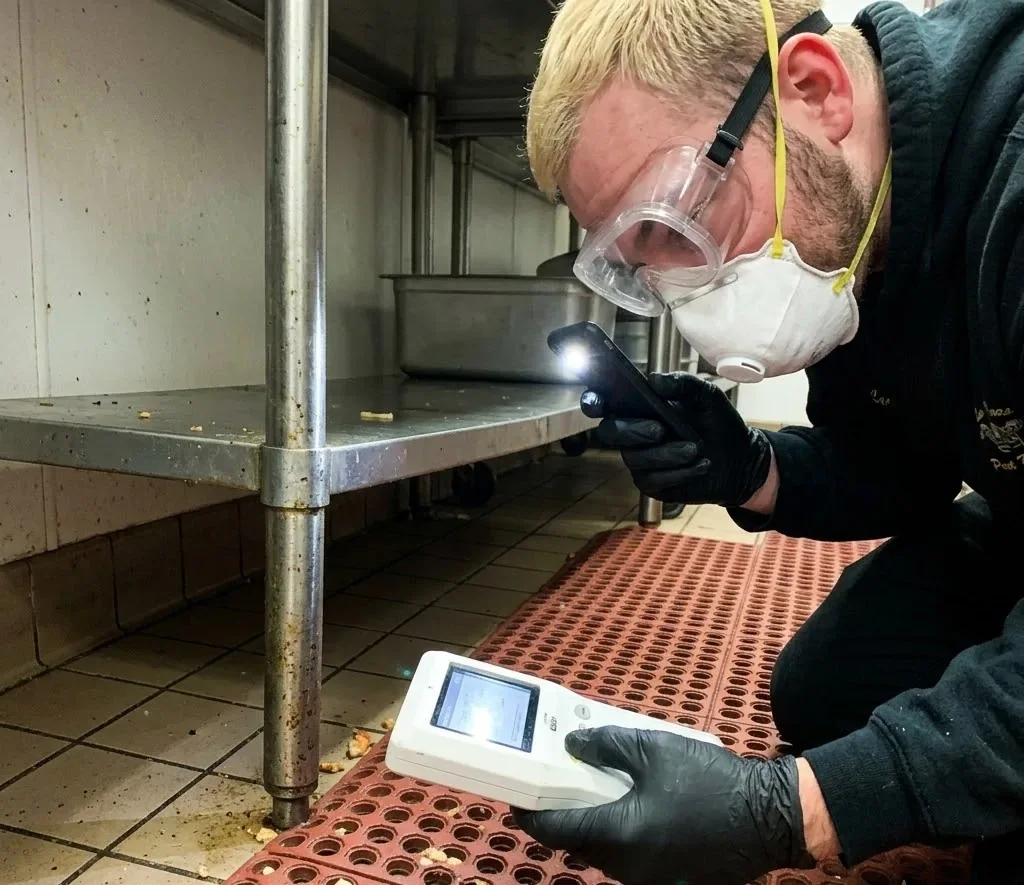
Homes built before 2000 in the Lowcountry have predictable roof rat entry points that are worth addressing before fall. What to look for in older construction.
Read article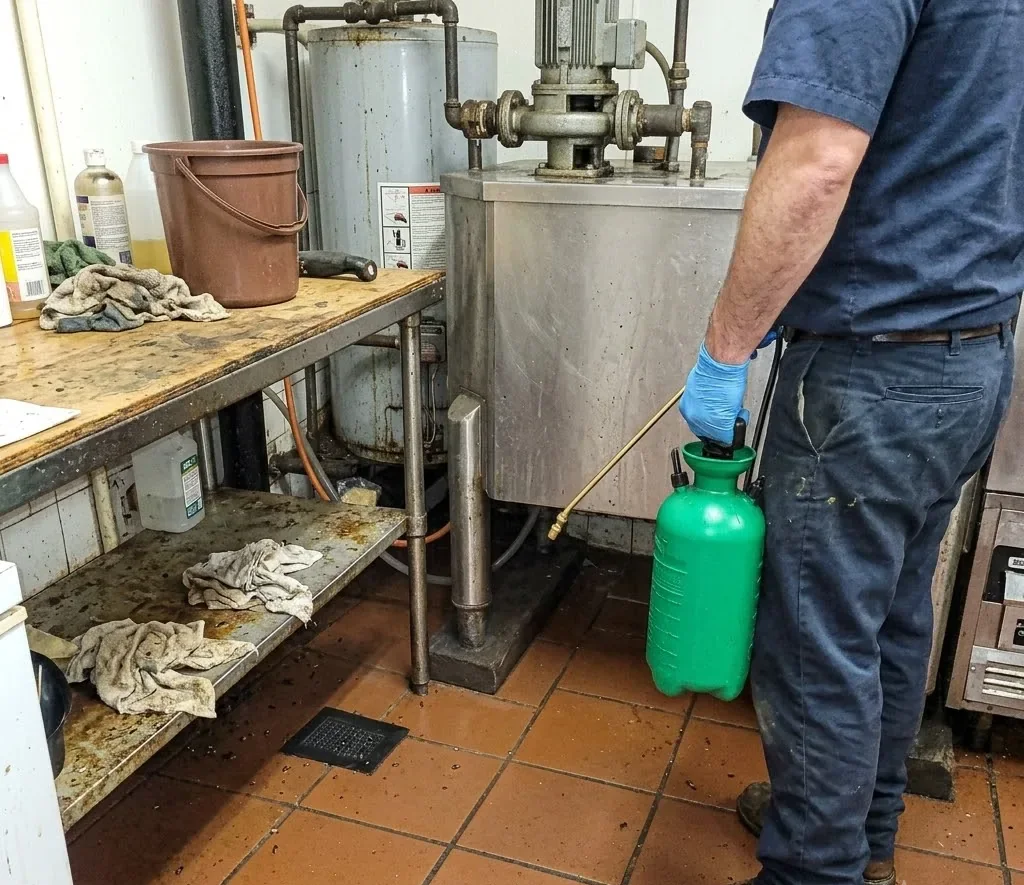
A pest inspection is not the same as a pest treatment. Here is exactly what a licensed inspector looks at, what they report, and what happens next.
Read article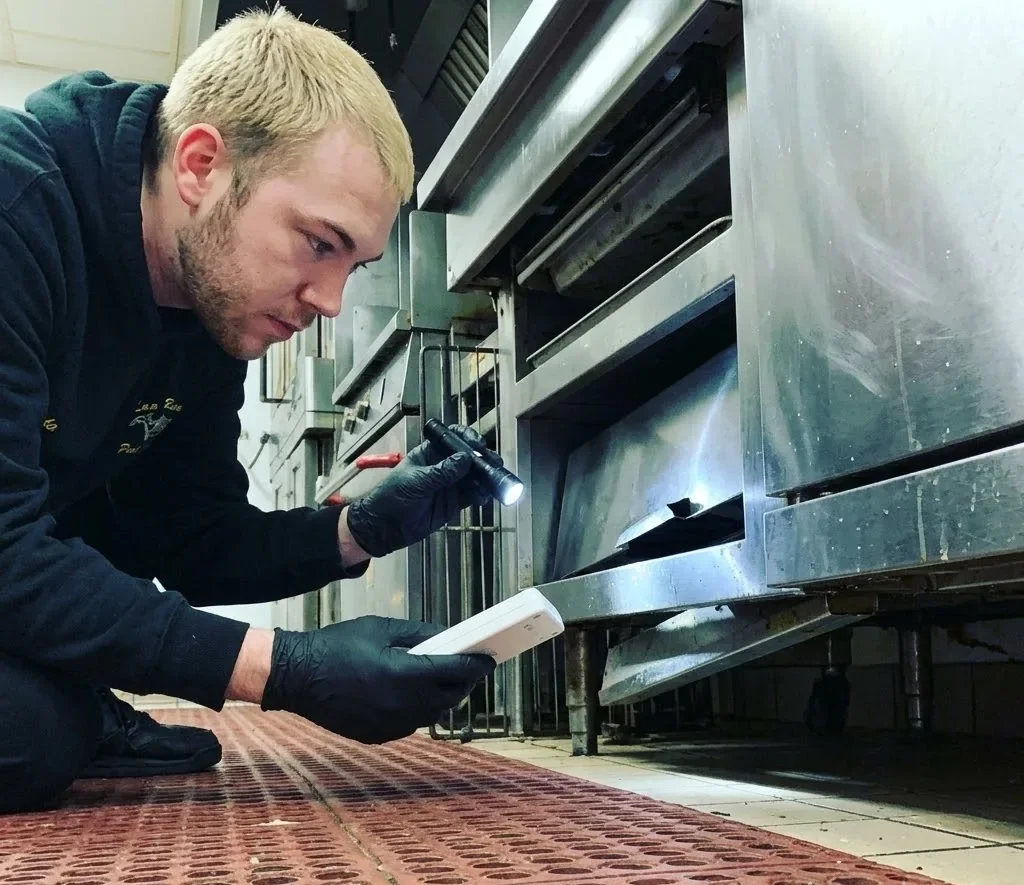
October in the Lowcountry means cooling temperatures and rodents looking for shelter. This checklist covers what to inspect and address before winter pest pressure peaks.
Read article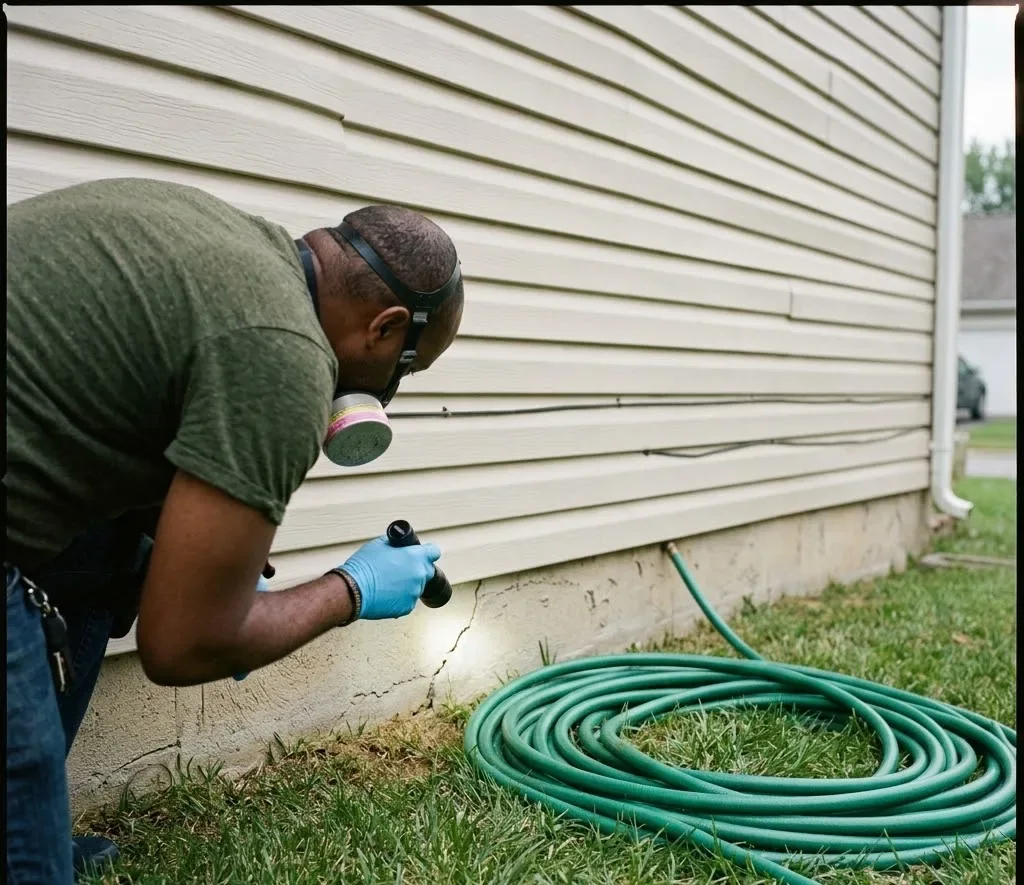
The CL-100 is required for most home sales in South Carolina. Here is exactly what it covers, what happens when active termites are found, and how the termite bond fits in.
Read article
The Lowcountry's vacation rental and hospitality industry means bed bug introduction risk is high year-round. What to check before you unpack, and what to do when you get home.
Read article
Bites alone do not confirm bed bugs. These physical signs in your sleeping area are more reliable than any skin reaction.
Read article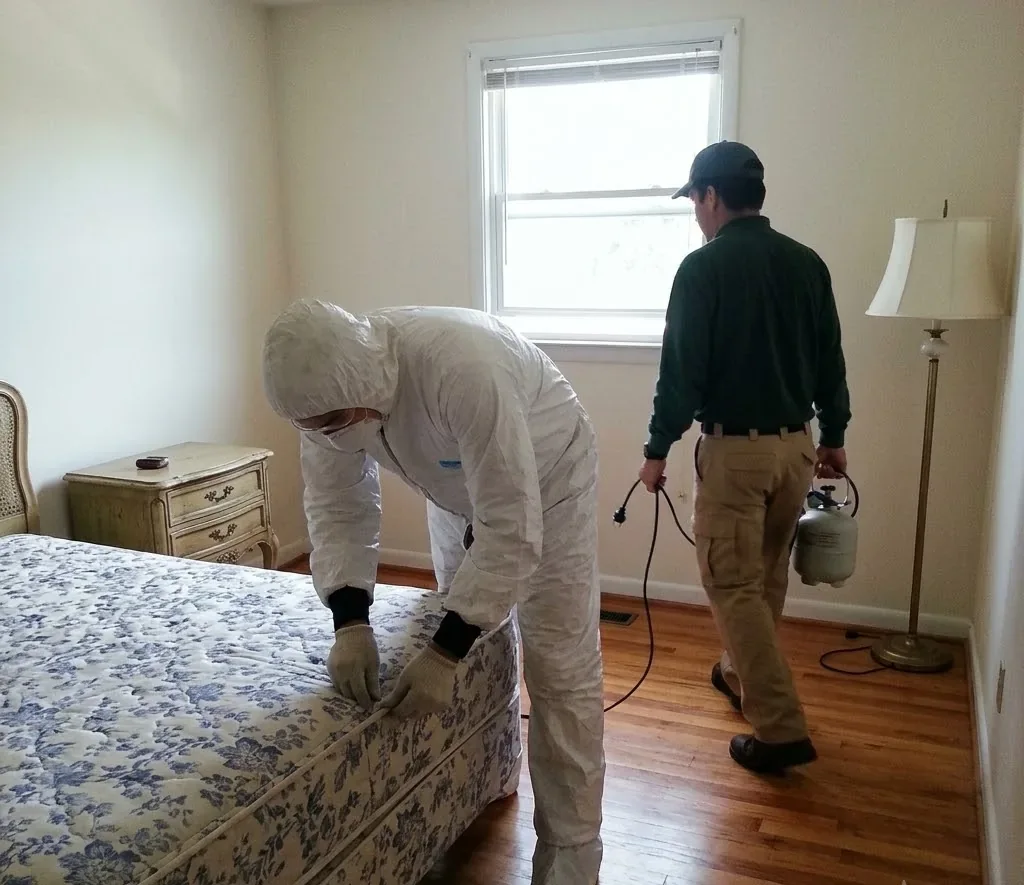
Post-storm pest surges are predictable in the Lowcountry. Pre-storm exclusion work reduces the exposure your home has when pests flee flooded ground after a tropical system.
Read article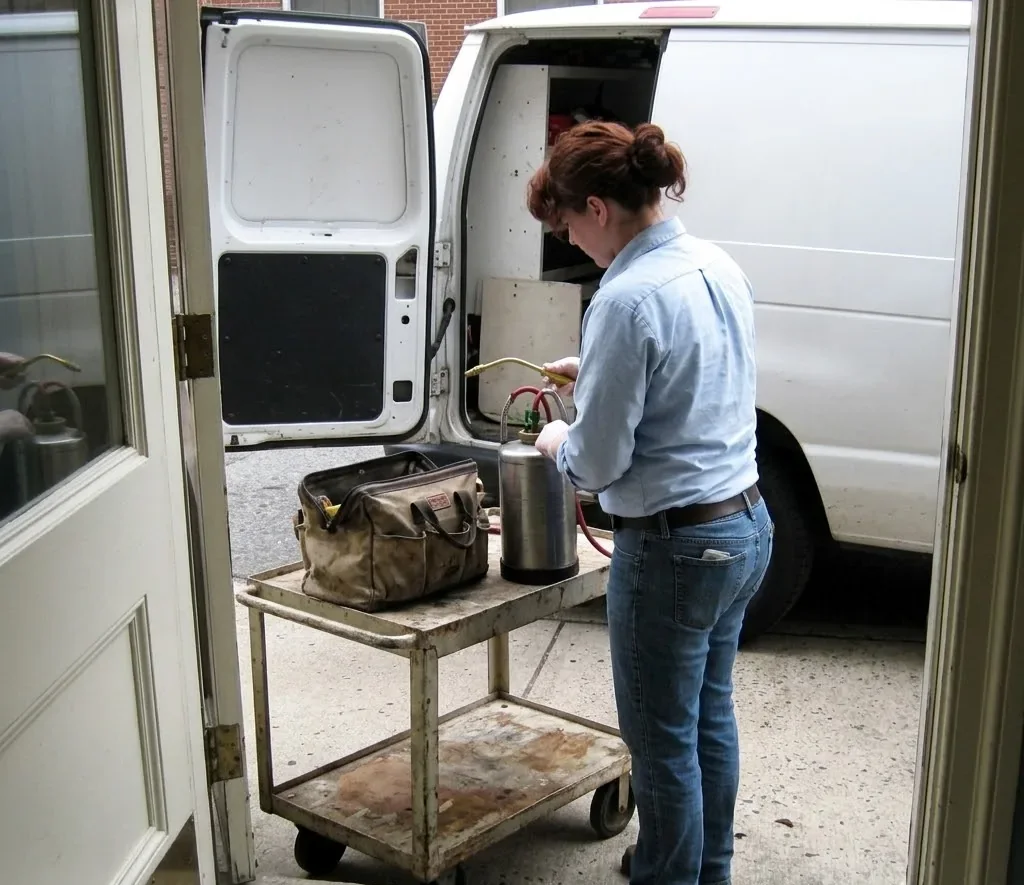
They are all called wasps, but their behavior, nesting habits, and sting risk are very different. Knowing which species you have determines how (and whether) to treat it.
Read articleDaniel Island is surrounded by the Cooper River, tidal marsh, and the Wando River. That geography drives a specific pest profile that differs from older neighborhoods on the Mount Pleasant peninsula.
Read article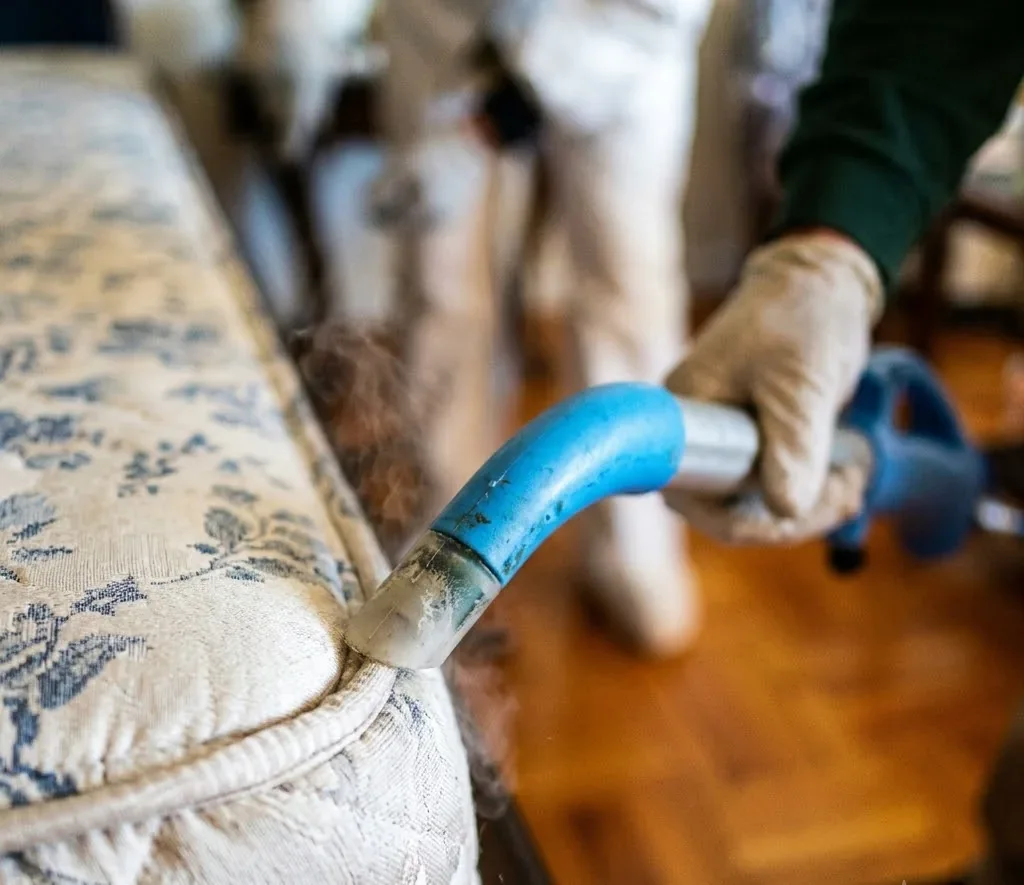
A small exposed paper wasp nest in early spring is a manageable DIY job. A yellowjacket colony in a wall void in August is not. The species and location determine everything.
Read article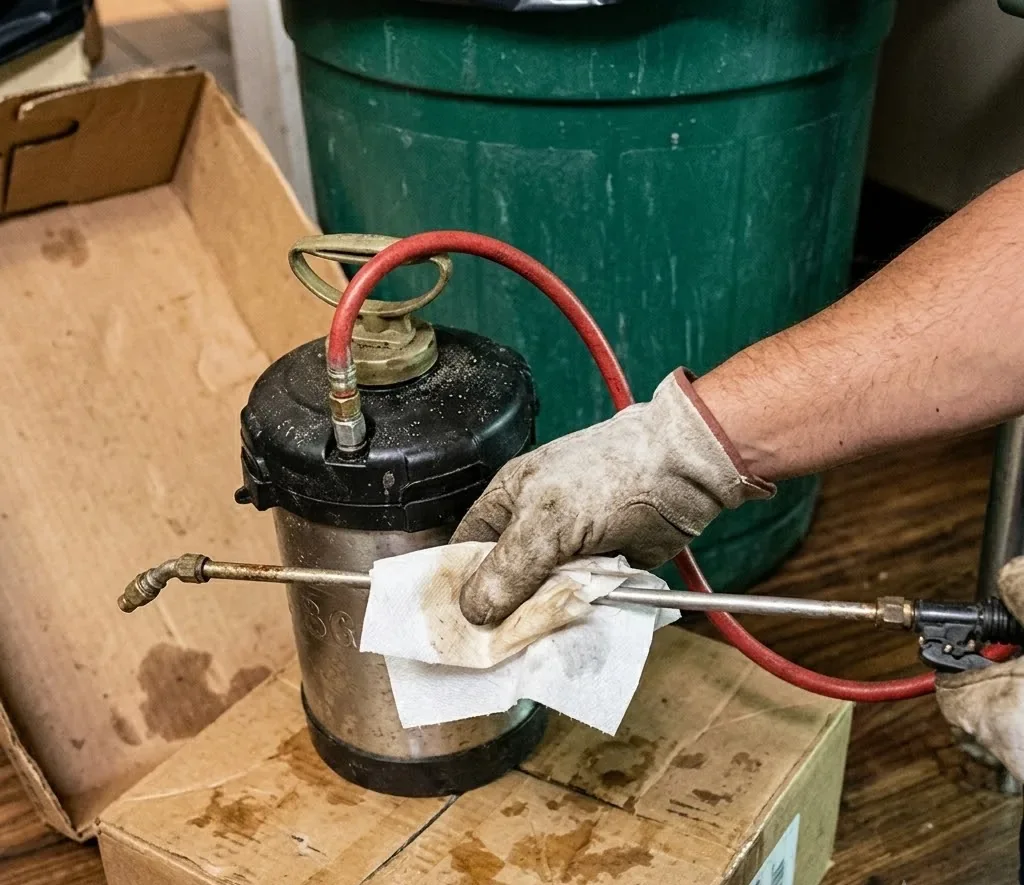
The lone star tick does not wait on a blade of grass — it actively pursues hosts. Here is what families in the Lowcountry need to know about prevention and what to do after a bite.
Read article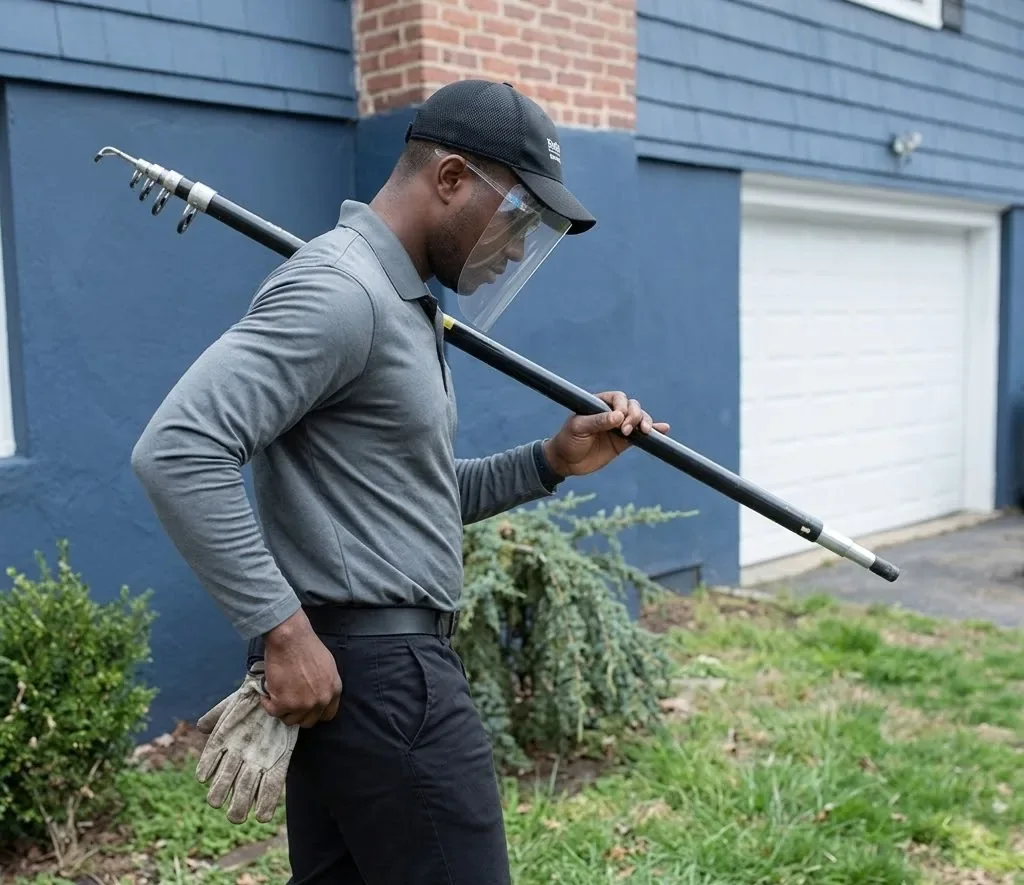
Summer in the Lowcountry brings the year's highest pest pressure. Here are the species that peak in June through August and what drives each one.
Read article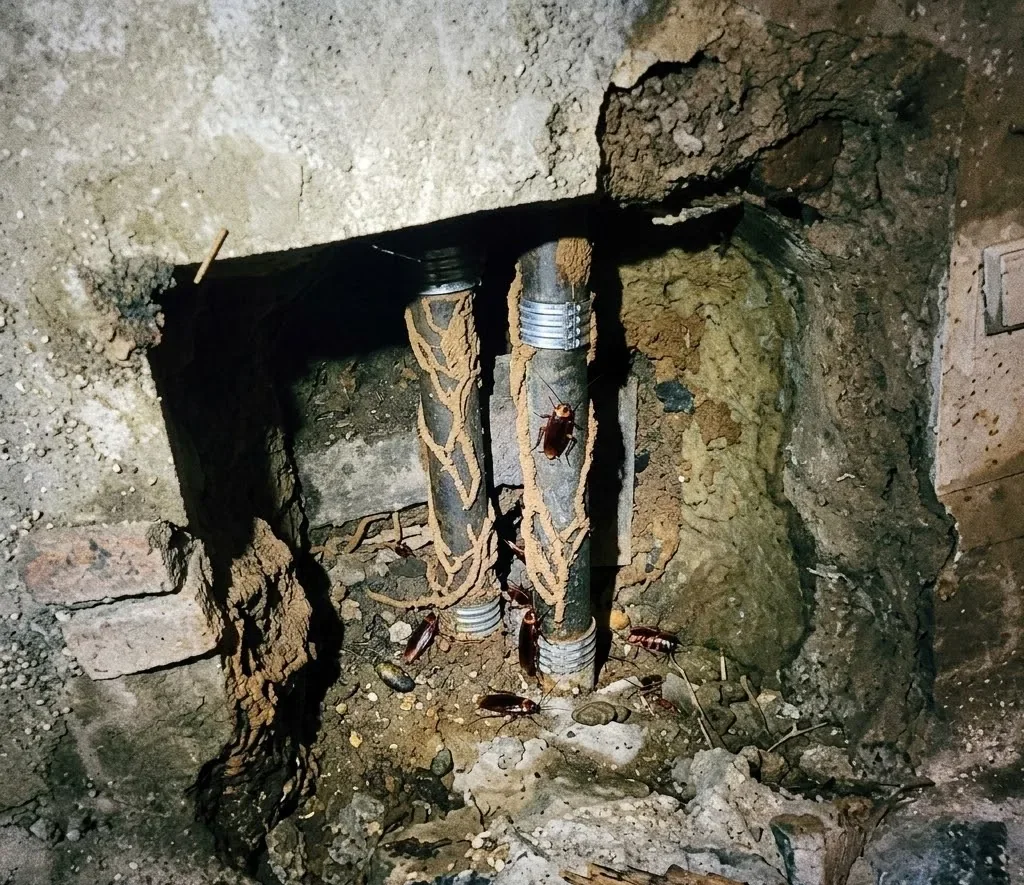
Not all mosquitoes in the Lowcountry are the same. Asian tiger mosquitoes breed in your yard. Salt marsh mosquitoes migrate from the marsh. The right control strategy depends on which one you have.
Read article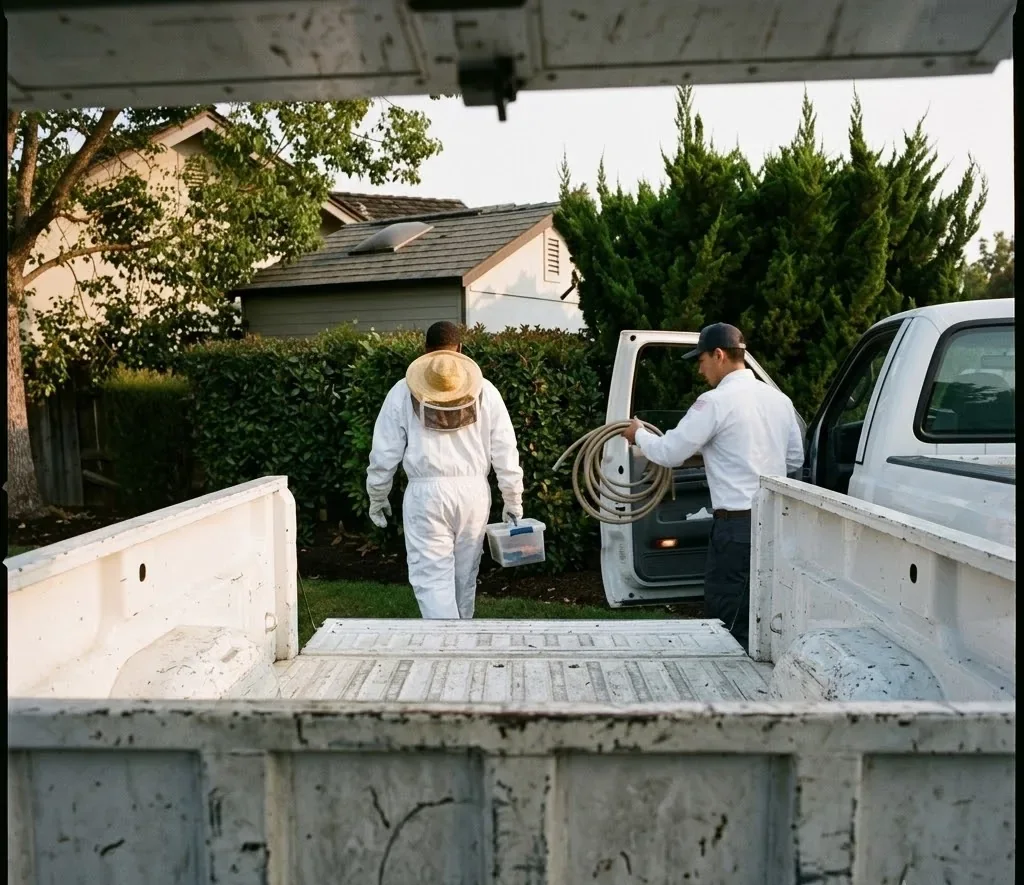
Not all pest control operators are the same. Four things to verify before hiring anyone to treat your home in South Carolina.
Read article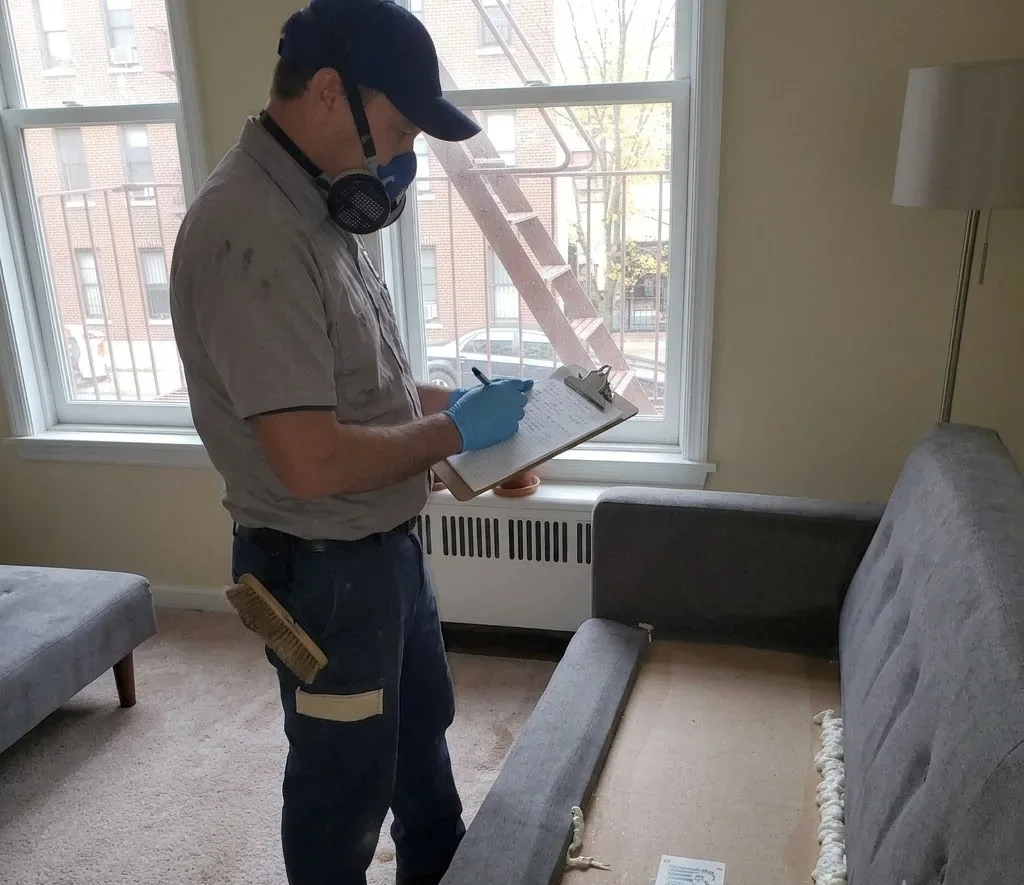
Exclusion — sealing entry points — is the only permanent rodent control strategy. Here is a room-by-room walkthrough of where they get in and how to seal it.
Read article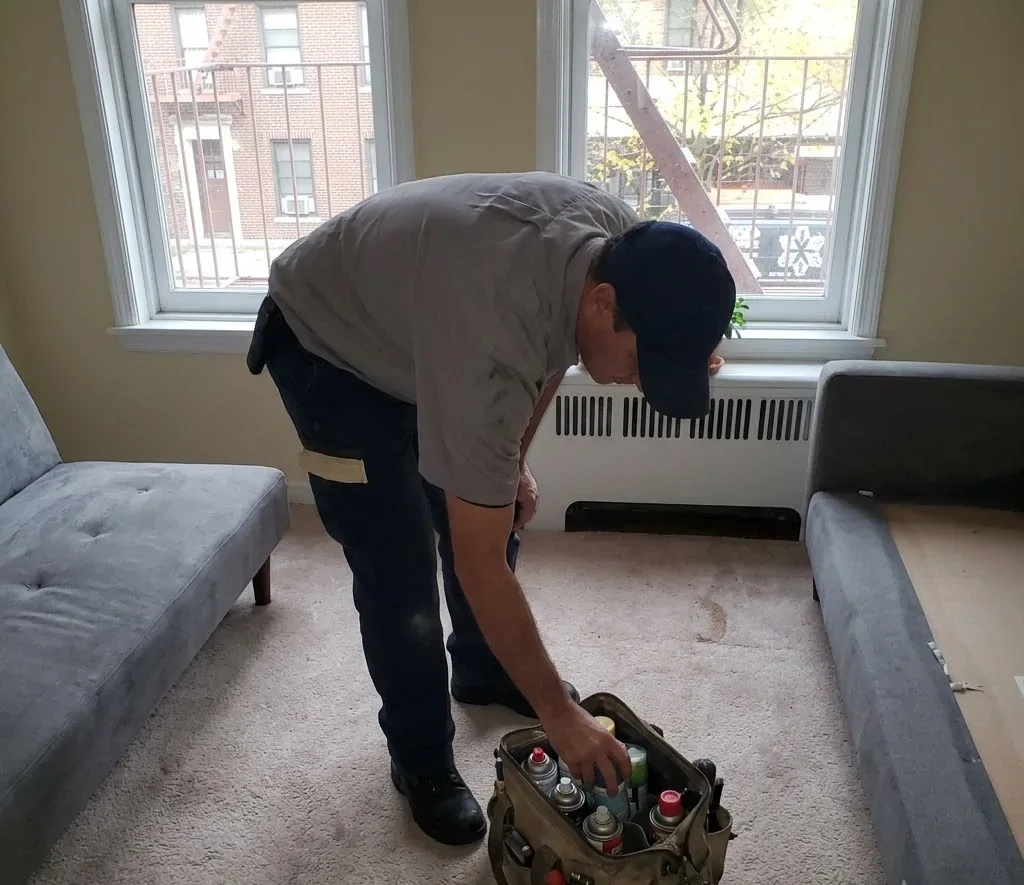
Roof rats operate overhead and mostly at night. By the time most homeowners suspect them, the population is established. These seven signs confirm it.
Read article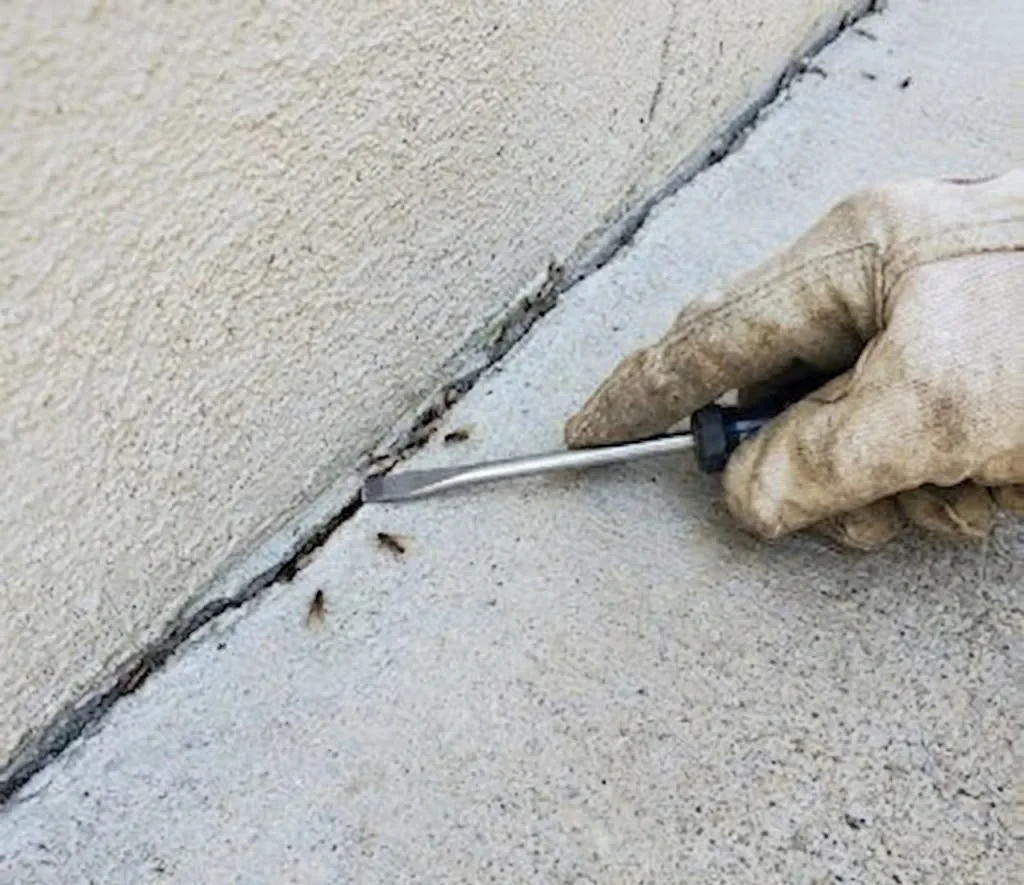
The first 90 days in a new home are the best window to establish what you have and what conditions you are inheriting. Here is where to start.
Read article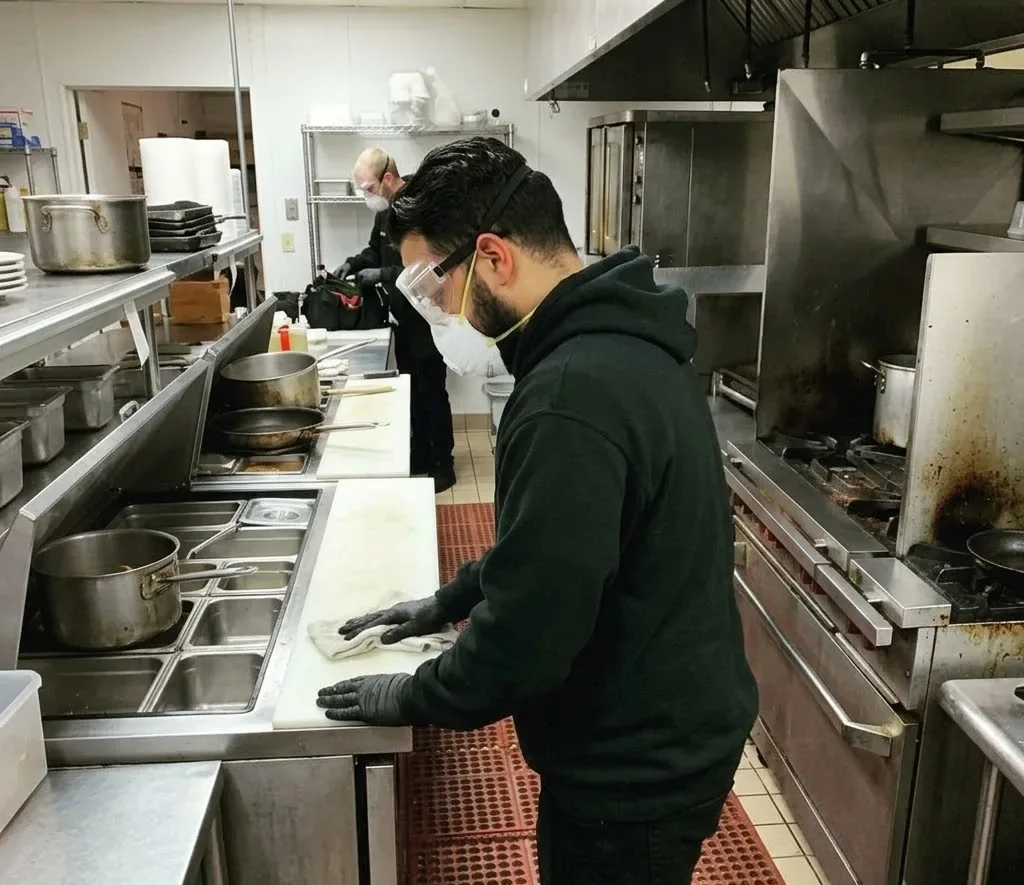
Found winged insects near your windows? In the Lowcountry in May and June, the answer determines whether you schedule a termite inspection or not. Here is how to tell them apart.
Read article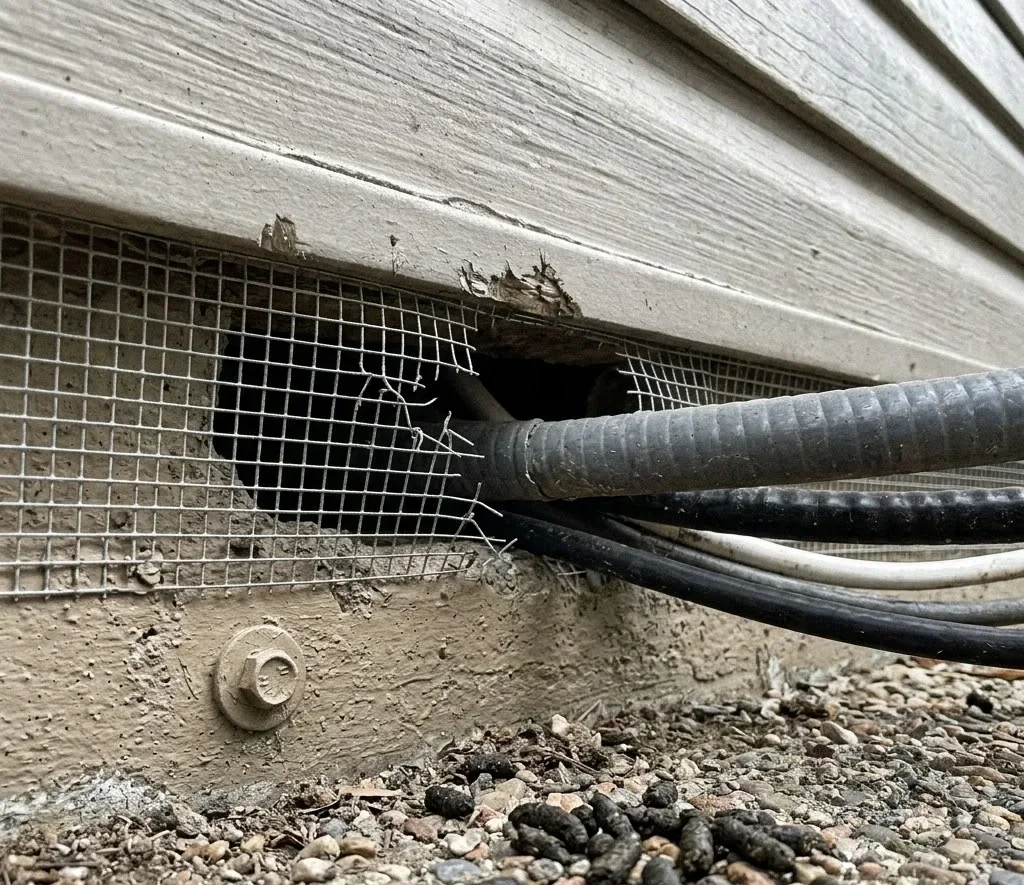
Two-step management — broadcast bait to knock down the population, individual mound treatment for sensitive areas — is the standard approach for residential fire ant control in South Carolina.
Read article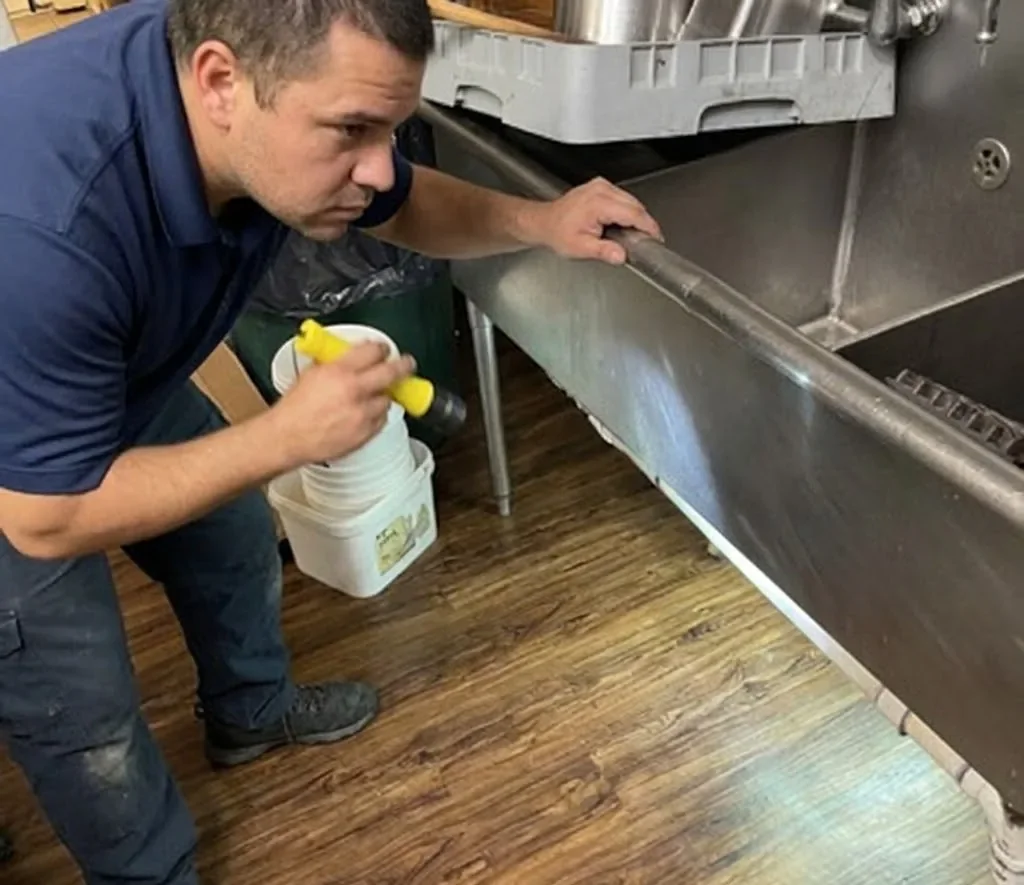
A Formosan termite colony is ten to twenty times larger than an Eastern subterranean colony and forages proportionally faster. Here is what that means for a structure in the Lowcountry.
Read article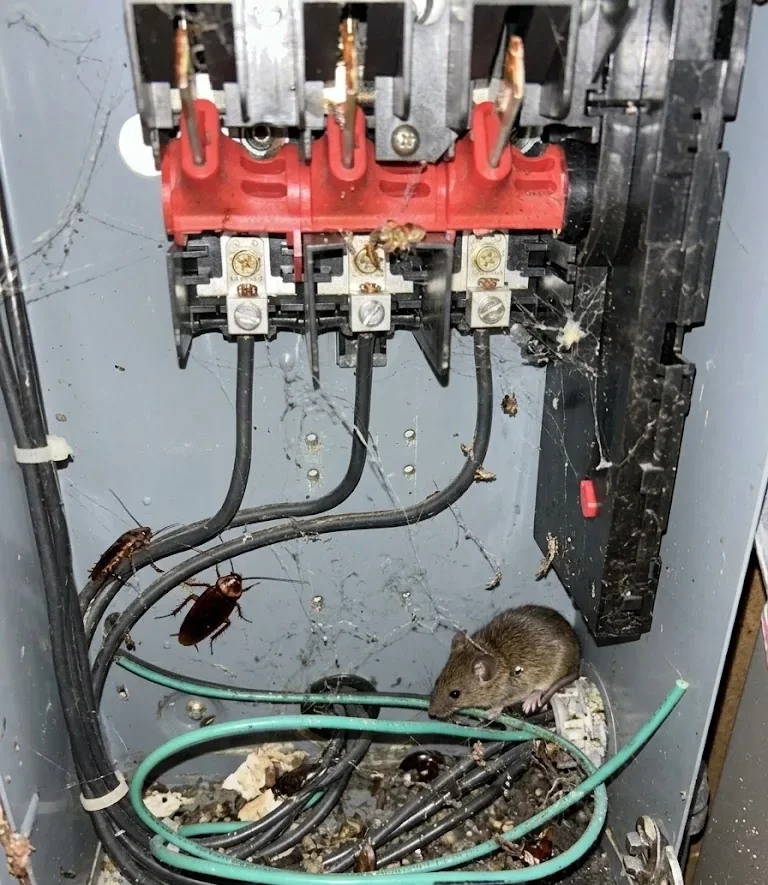
You pour something on the mound. The mound disappears. Three weeks later there is a new mound ten feet away. Here is why that keeps happening and what actually works.
Read article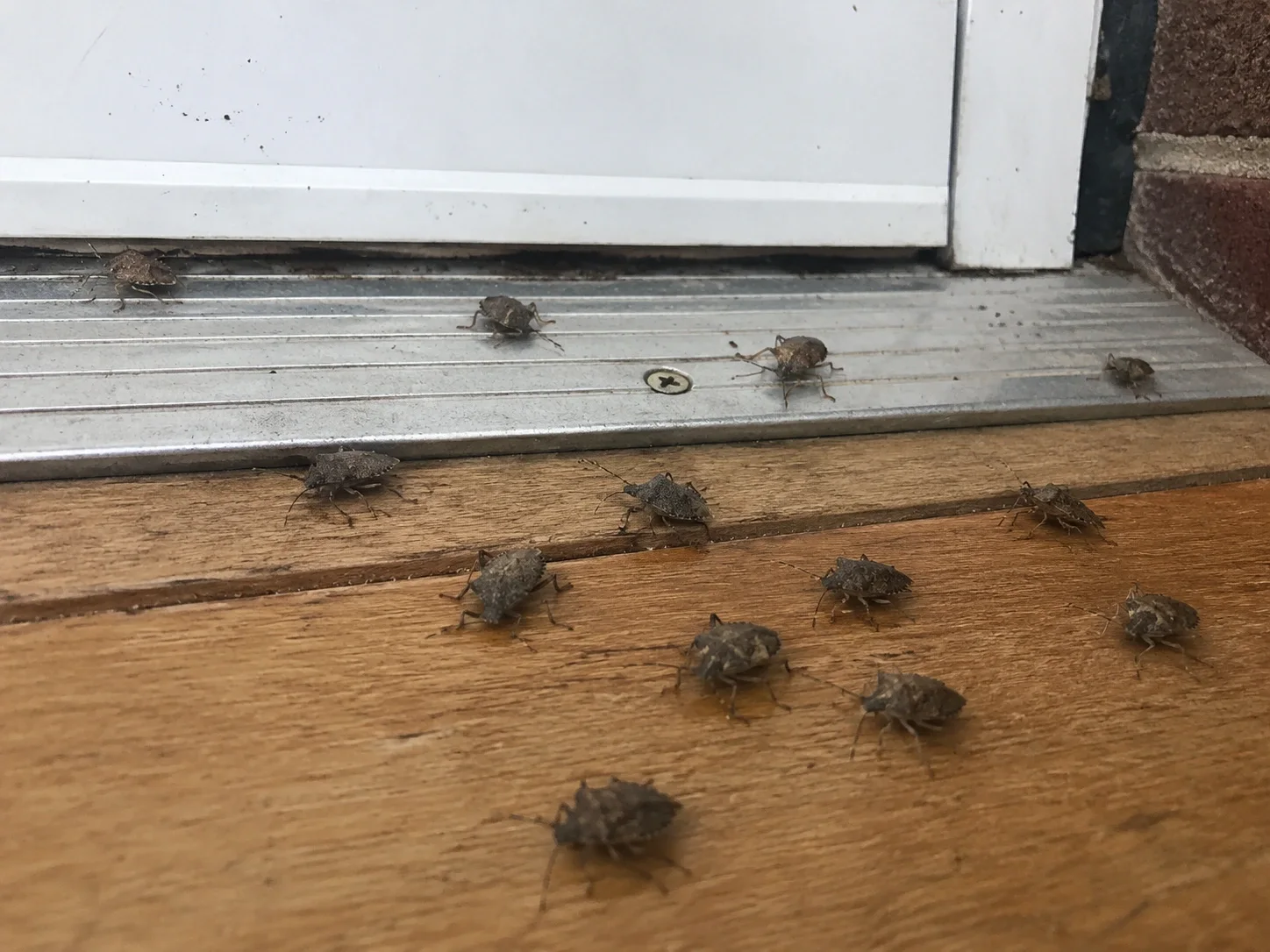
The Lowcountry pest environment is driven by moisture, canopy, and mild winters. Five structural and landscape factors attract pests to homes here more than anywhere else.
Read article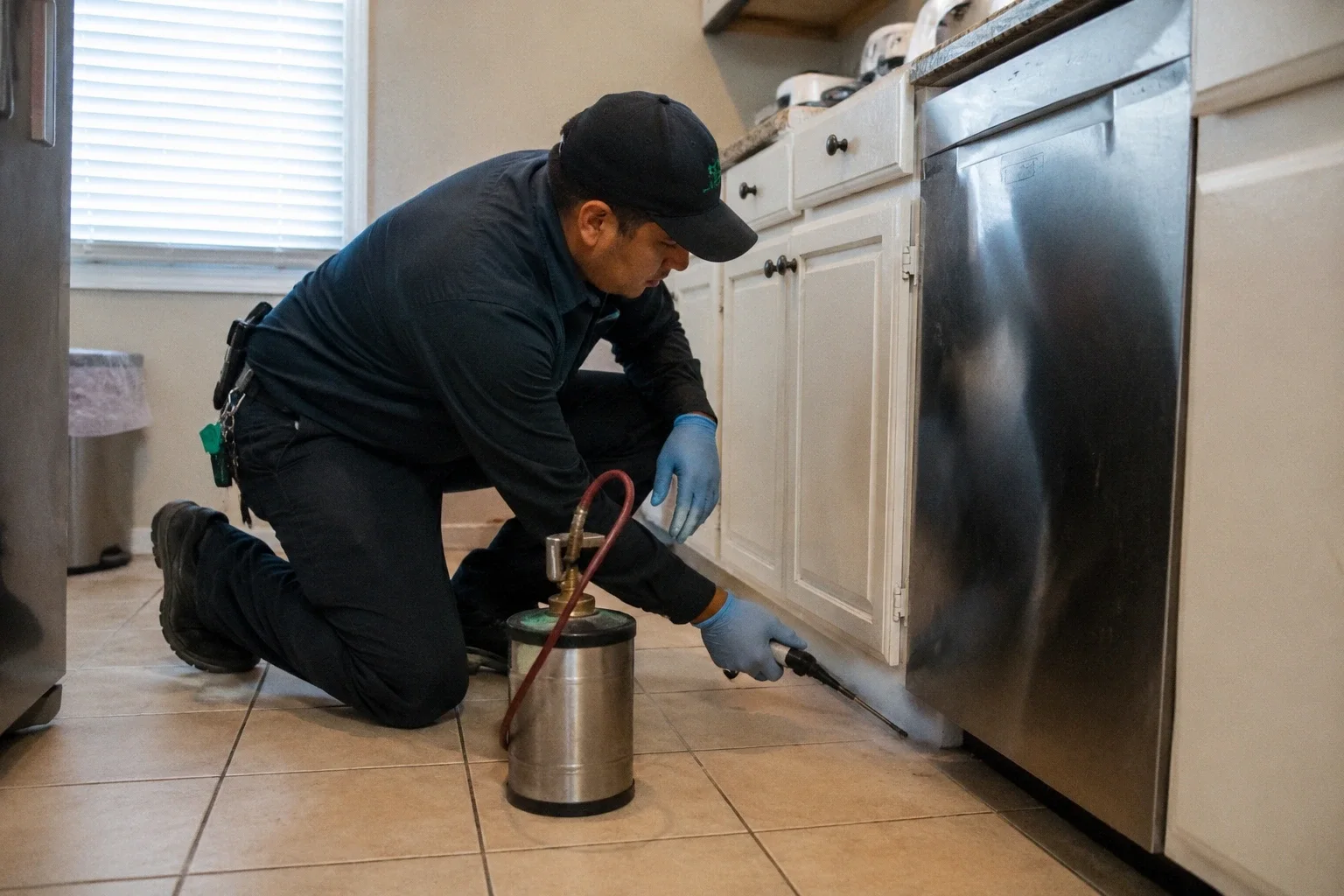
Store-bought products work for some problems. For others, they delay professional treatment while the infestation grows. Here is how to tell the difference.
Read article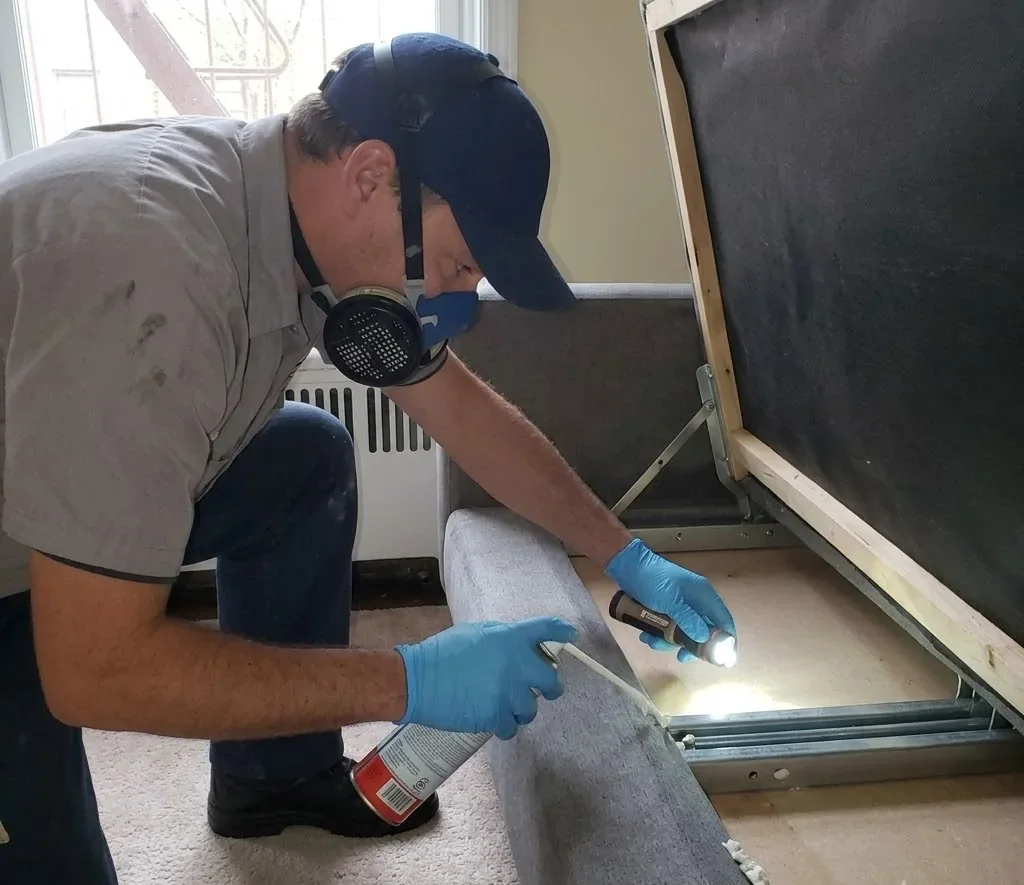
The window between late February and mid-April is when spring pest prevention work pays the most in the Lowcountry. Here is what to do and when.
Read article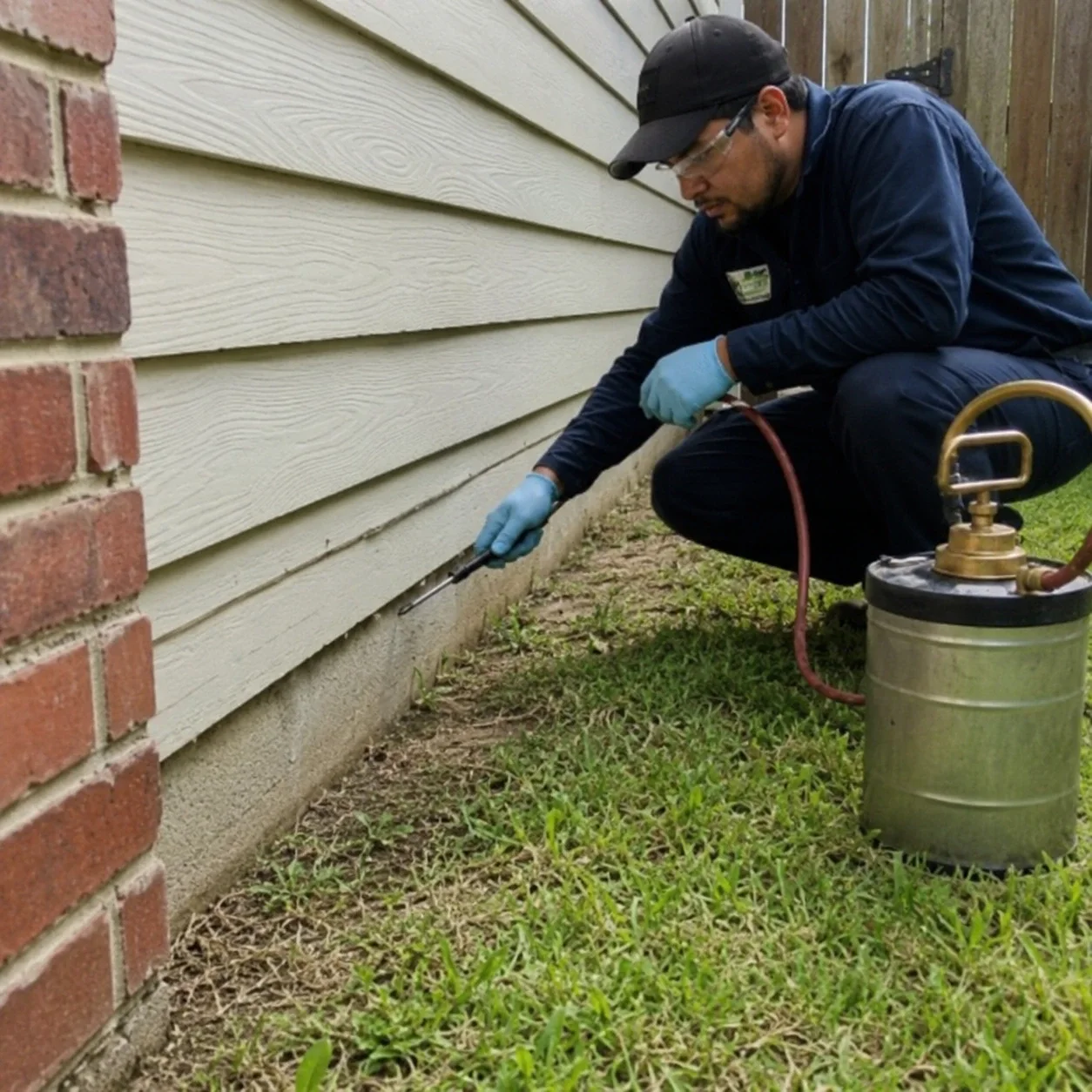
Quarterly is the standard, but the Lowcountry pest calendar explains why. The timing of each visit corresponds to a specific seasonal pressure point.
Read article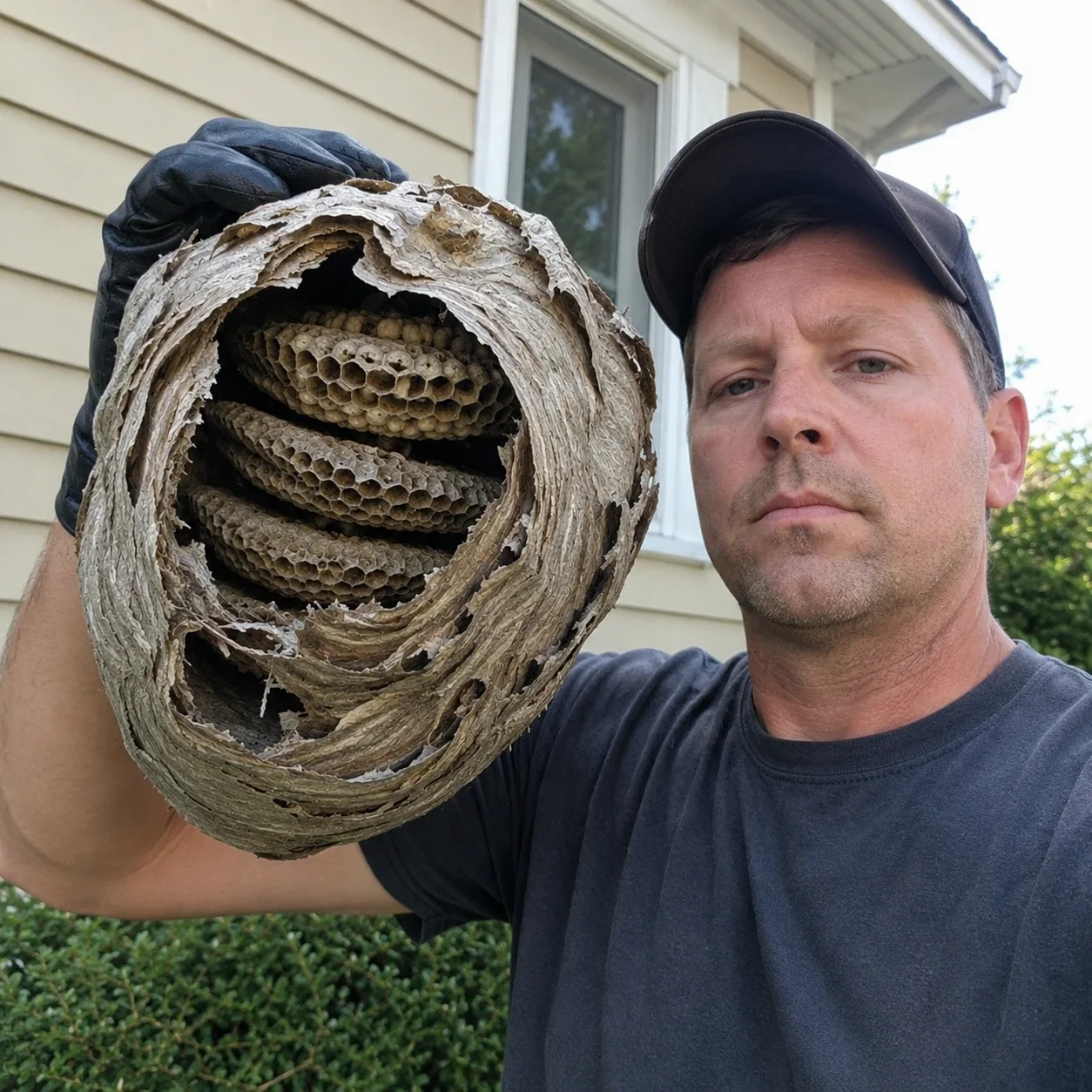
South Carolina does not have an off-season for ticks. Lone star ticks, American dog ticks, and black-legged ticks overlap in the Lowcountry with different peak periods and different health risks.
Read article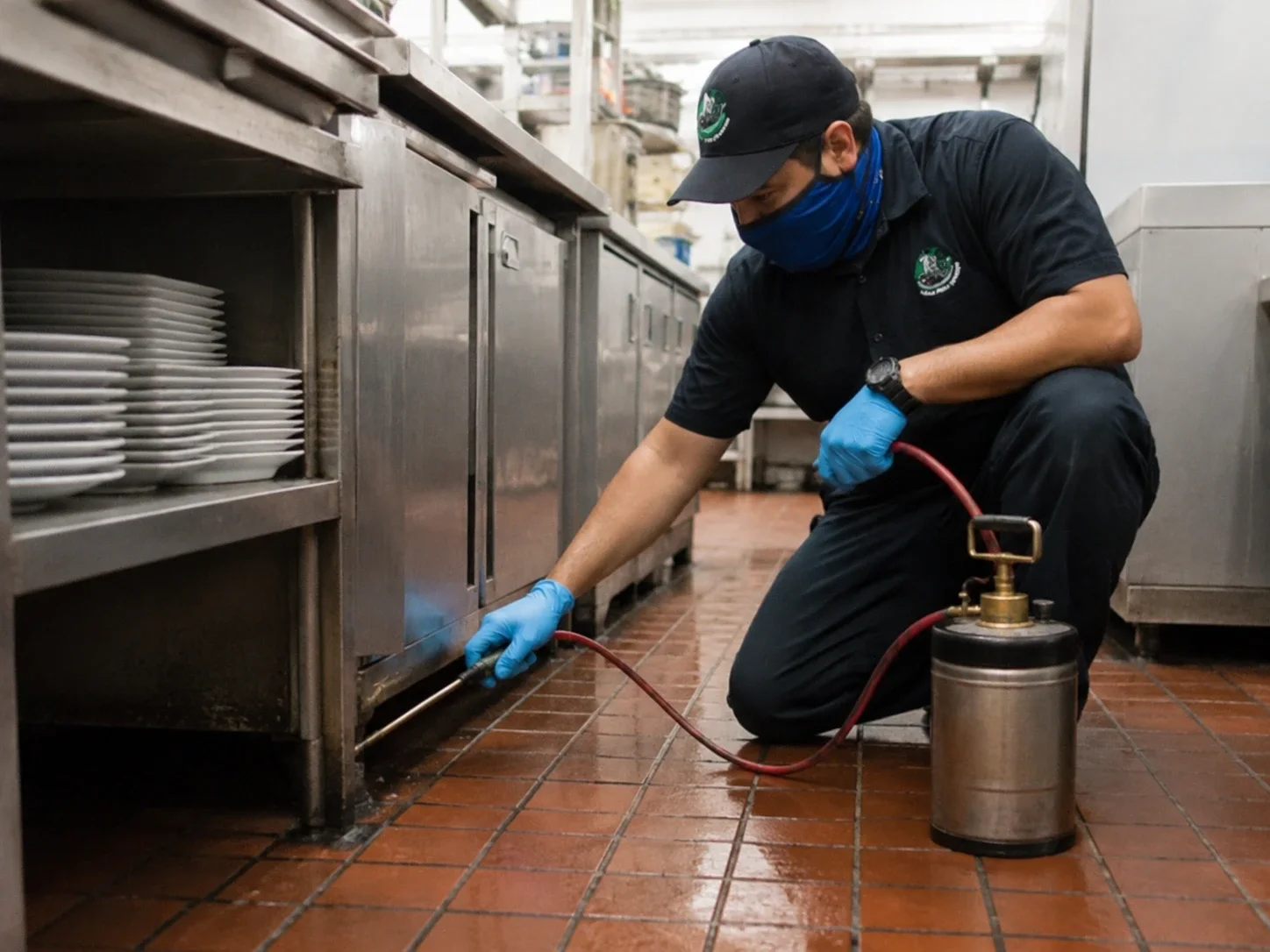
Roof rats climb, not burrow. Understanding their travel routes is the first step to keeping them out of your attic.
Read article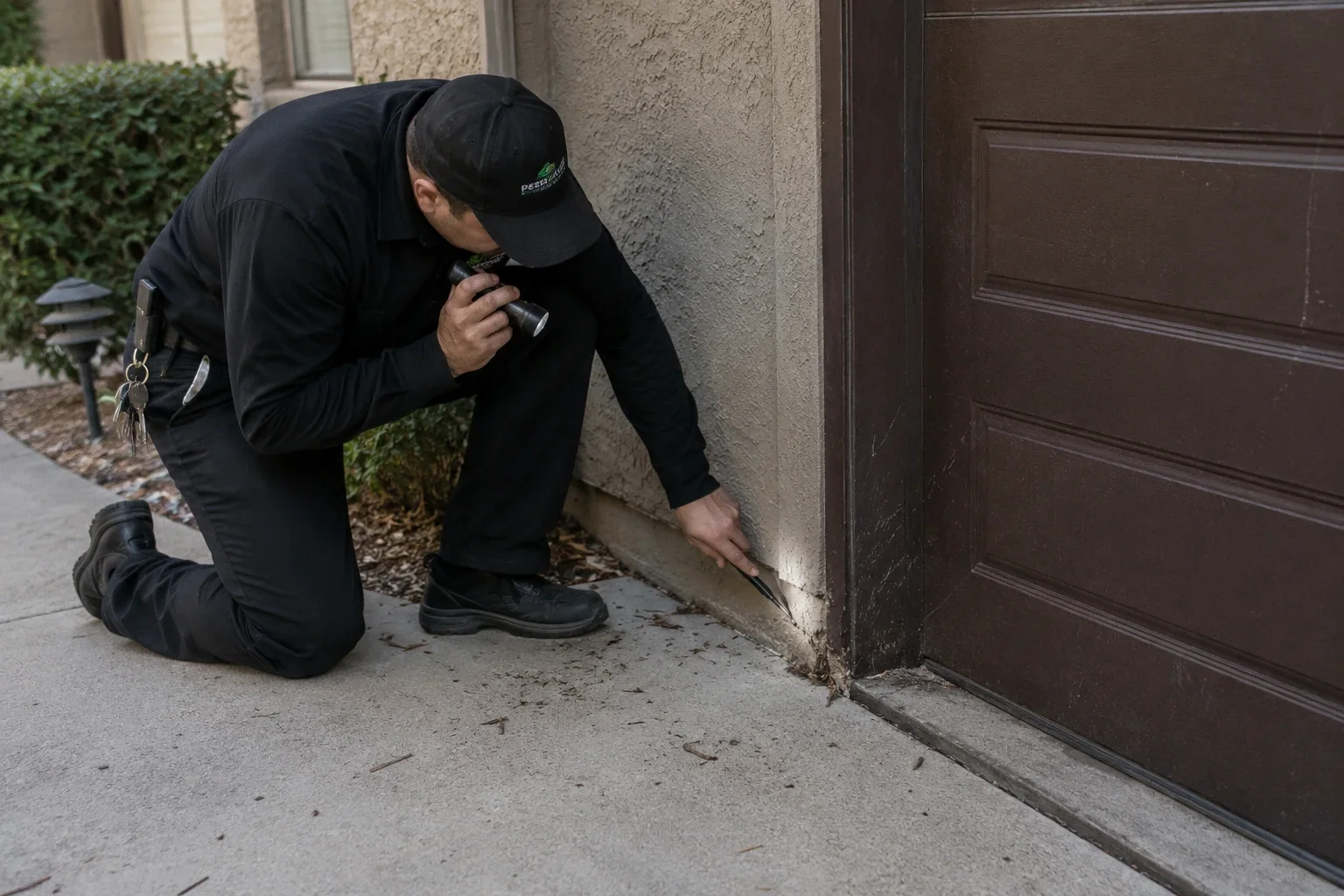
Most people wait too long to call. These seven signs mean the problem has already moved past what a can of spray can fix.
Read article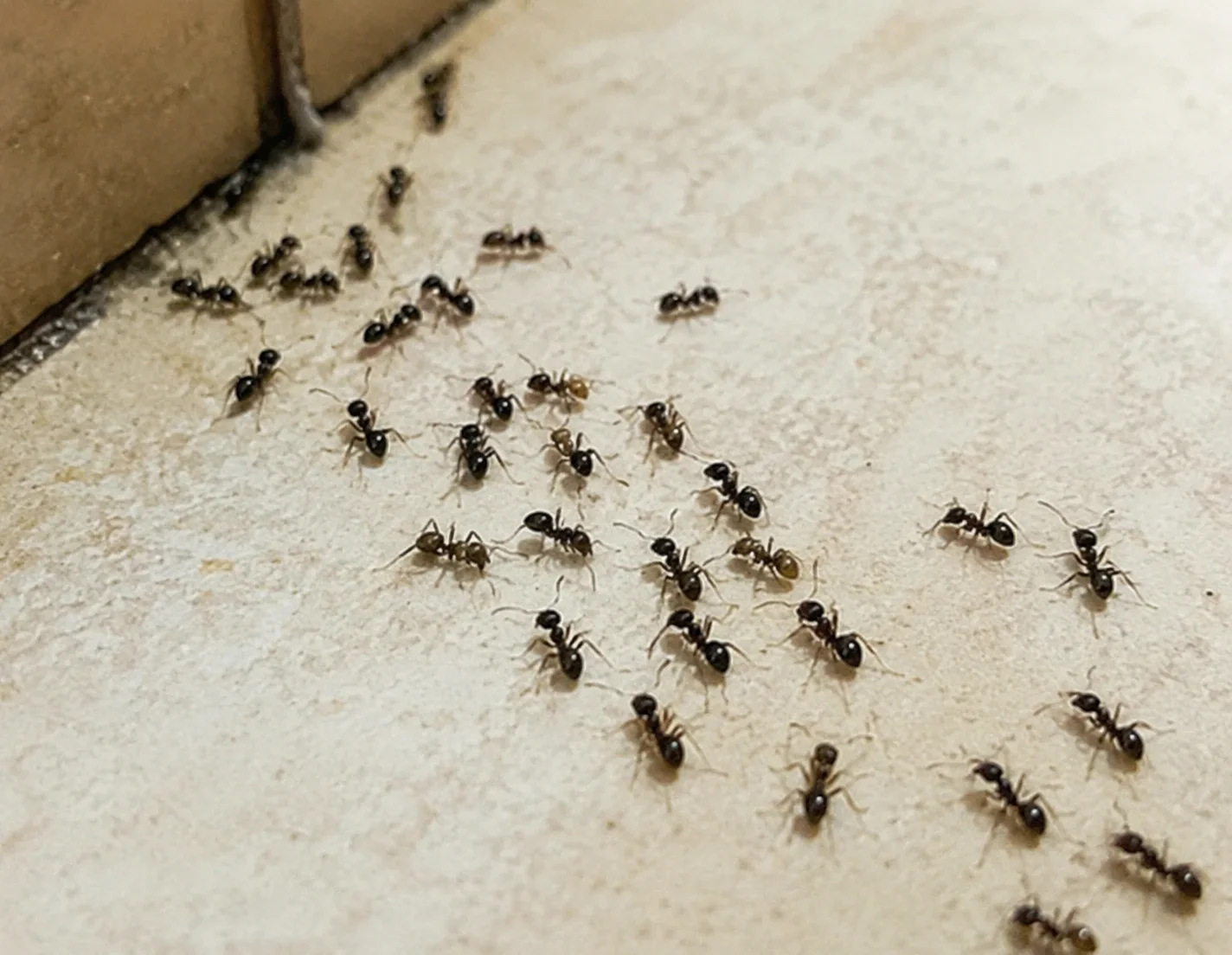
From Formosan termite swarmers to palmetto bugs in the kitchen, here are the ten pests Mount Pleasant homeowners deal with most and what each one is telling you about your home.
Read articleThey are written for coastal South Carolina specifically, using SCDPR, Clemson Cooperative Extension and SC DHEC guidance rather than generic national advice. That matters more than it sounds — most pest content online is written for places with hard winters and does not transfer to a climate where nothing freezes out.
Some of them, yes, and the guides say which. Clearing standing water, trimming limbs back from the roofline, sealing an obvious gap, and baiting fire ants are all genuinely homeowner work. Termites, bed bugs, anything in a wall void, and any wildlife in an attic are not, and the guides say that too rather than pretending otherwise.
Three signals. You have treated the same thing twice and it came back — the cause has not been found. You cannot identify what you have — and the wrong product on the wrong species makes several problems worse rather than slower. Or the problem is structural: termites, decay, anything living inside a wall or above a ceiling.
Reading up is smart, but if you’ve got an active issue, call for a free inspection and we’ll take care of it.
Call (843) 868-3211